Wedding event photography is a multifaceted art that goes beyond capturing moments—it tells the story of one of life’s most cherished celebrations. From the intimate details of preparation to the joyous festivities of the reception, every element of a wedding day presents unique opportunities and challenges for photographers. Here’s a comprehensive guide to mastering wedding event photography, ensuring you capture every special moment with skill and creativity.
1. Preparing for the Big Day
Preparation is key to successful wedding event photography. Before the wedding day, communicate closely with the couple to understand their vision, preferences, and schedule. Conduct venue visits and scout locations to familiarize yourself with lighting conditions and potential photo opportunities. Create a detailed shot list in collaboration with the couple to ensure essential moments are captured.
2. Essential Gear and Equipment
Invest in high-quality camera bodies, lenses, and accessories suitable for various shooting conditions. A versatile lens kit typically includes a wide-angle lens for group shots and venue overviews, a standard zoom lens for portraits and mid-range shots, and a fast prime lens for low-light situations. Pack extra batteries, memory cards, flashes or continuous lighting, and a sturdy tripod to handle different scenarios throughout the day.
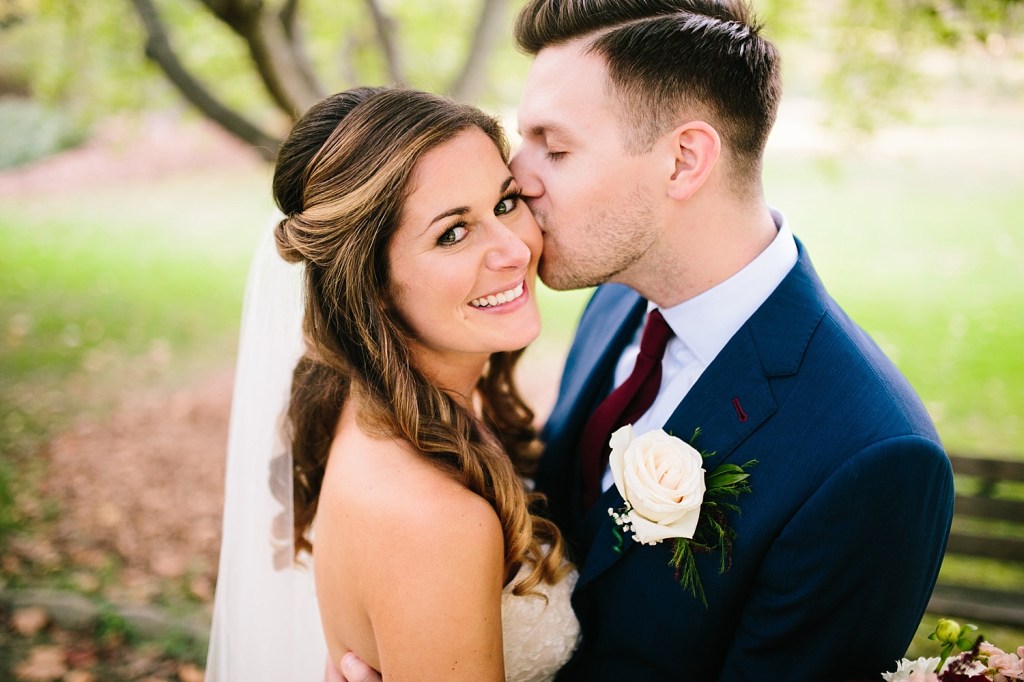
3. Capturing Getting Ready Moments
Start the day by documenting the anticipation and excitement as the couple prepares for the ceremony. Capture candid moments of hair and makeup sessions, the exchange of heartfelt gifts, and the final touches on attire. Use natural light and subtle direction to capture genuine emotions and interactions, ensuring you preserve the intimacy and details of this special time.
4. Ceremony Coverage
During the ceremony, aim to be discreet while capturing essential moments such as the processional, vows, ring exchange, and the first kiss. Position yourself strategically to capture both wide shots of the entire scene and intimate close-ups of the couple and their emotions. Anticipate reactions from family and guests, capturing their expressions and interactions without being intrusive.
5. Portraits and Group Shots
Schedule time for formal portraits and group shots with the couple, bridal party, and families. Direct with confidence and sensitivity, ensuring everyone looks their best while maintaining a relaxed atmosphere. Use natural light whenever possible for flattering portraits, and be prepared to use flash or reflectors to fill in shadows and ensure even lighting in outdoor or indoor settings.
6. Candid Moments and Emotions
Candid photography captures genuine emotions, interactions, and spontaneous moments throughout the day. Be observant and ready to capture laughter, tears, hugs, and joyful expressions between the couple and their loved ones. Candid shots add depth and authenticity to the wedding album, creating a narrative that reflects the emotional highs of the day.
7. Details and Decor
Pay attention to the intricate details and personalized décor that reflect the couple’s style and theme. Capture close-up shots of floral arrangements, wedding rings, place settings, and signage. These details not only enhance the storytelling but also serve as visual anchors that complement the overall narrative of the day.
8. Reception and Celebration
Document the festivities of the reception, including the grand entrance, first dance, toasts, cake cutting, and dancing. Use a mix of natural and artificial lighting to capture the ambiance and energy of the celebration. Be prepared to adjust camera settings swiftly to capture fleeting moments of laughter, joy, and celebration as the evening unfolds.
9. Post-Wedding Sessions
Consider offering post-wedding sessions such as day-after shoots or trash-the-dress sessions. Day-after sessions capture relaxed and romantic portraits in different locations, showcasing the couple in a more casual setting without the time constraints of the wedding day. Trash-the-dress sessions provide adventurous couples with the opportunity to create dramatic and artistic images by deliberately compromising the wedding attire in unconventional settings.
10. Editing and Delivery
Post-processing plays a crucial role in enhancing and refining wedding photos. Use editing software to adjust exposure, color balance, and contrast while maintaining the authenticity of the captured moments. Develop a consistent editing style that complements the couple’s preferences and the mood of the wedding day. Deliver the final edited images promptly, ensuring they are presented beautifully and ready for the couple to cherish and share.
Conclusion
Mastering wedding event photography requires technical expertise, creative vision, and emotional sensitivity. By preparing meticulously, communicating effectively with the couple, and capturing every moment—from intimate preparations to joyous celebrations—you can create a wedding album that tells a compelling story and preserves the beauty, emotions, and memories of this special day. With dedication to excellence and a passion for storytelling, wedding photographers have the privilege of capturing timeless images that celebrate love, unity, and the beginning of a couple’s journey together. Learn more about wedding photography.
 Ever After Snaps